
May 26, 2023
Pandemic Arts
With the conclusion of the Covid state of emergency in the U.S. this month, it might be an appropriate time to look back at several examples of literature and music that kept us company during the pandemic and addressed the effects such a situation can have.
Over the last several years, a handful of artists, literary and otherwise, began addressing the effects of quarantining and distancing, sharing their perspectives of a world-in-crisis to reveal that we are never completely alone in these situations.
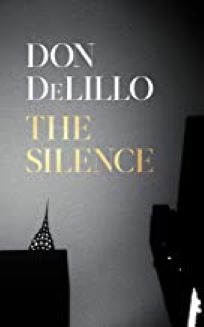
Curiously enough, the earliest of interpretations of a world-gone-wrong appeared only eight months into Covid’s U.S. arrival. Don DeLillo’s novel The Silence was not inspired by Covid, but its release in October 2020 turned its digital-pandemic storyline into an eerie, distorted reflection of real life. In DeLillo’s world, set better than a year into the future, the arrival of Super Bowl Sunday 2022 is accompanied by an electronic outage that severs communication and relegates the book’s characters to a New York apartment where they speculate and theorize, their own communication with each other unraveling before our eyes.
DeLillo’s books are no strangers to the uncomfortable, but anyone reading The Silence in 2020 was bound to discover an additional layer of discomfort. The effect wasn’t lost on critics, with Kirkus Reviews declaring that DeLillo “may as well be describing the world outside the pages of his book…and in [the novel’s] evocation of people in the throes of social crisis, it feels deeply resonant.”
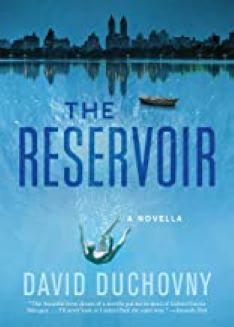
The June 2022 release of David Duchovny’s newest novel, The Reservoir, plunged readers into the actual pandemic. The author, best known as an actor whose roles have included the truth-chasing FBI agent Fox Mulder in the X-Files TV series and movies, launched his literary career in 2015 with Holy Cow. This is his fifth novel.
The Reservoir is the story of Ridley, a New Yorker trapped within Covid isolation. But it’s also about family and relationships, failures and forgiveness. When Ridley discovers what appears to be a signal from across Central Park late at night, the novel addresses the core of what the pandemic years have stolen from us – contact and communication, the deprivation of which requires a longer period of recovery.
The novel is presented as a fever dream that, in turns, can be comical, serious and heartbreaking as Ridley’s quest to find the person behind the signal consumes him and, in the process, reminds him about New York City’s own history of facing adversity. For the reader, it’s a reminder of the nuances of life over the past several years.
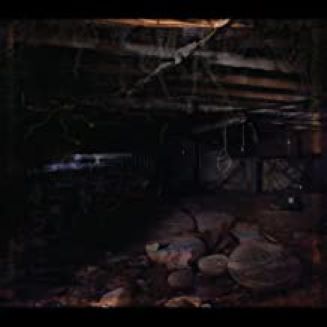
If DeLillo and Duchovny bookend the pandemic in a literary fashion, John Medeski’s album Crawlspace, categorized by the archive.org website as “abstract” and “dark ambient,” may well be the soundtrack to the two narratives. Released on CD in August 2021, Crawlspace’s improvised form alternates between calm and cacophony, conjuring, as its title suggests, a cramped, foreboding refuge that may be preferable to what lurks beyond.
Medeski, one-third of the trio Medeski, Martin and Wood, works from pure sound, some melodic and mellifluous, others dissonant and pulsing. Using a variety of keyboards spanning the spectrum from the electronics of synthesizers to the acoustic timbre of a piano, he takes the listener through a variety of tones that alternately threaten and disarm, creating a drama of tension and release not unlike the emotional seesaw that the threat of Covid posed for most people during its first year.
When the keyboards slip from the articulate to the slurred, the breakdown of everyday communication is as unsettling as it is in DeLillo or Duchovny. When the sounds occasionally regroup into more comfortable, yet uncertain, patterns, they are as vulnerable and cautious as anyone, fictional or real, who felt defenseless against an invisible enemy.
But ultimately, as Duchovny notes in his acknowledgements, “A nightmare is still a dream, no? And the lesson is the same – love and mending. What disaster and logic and sophistry and history and politics and faeries pull asunder, art and imagination and generosity of spirit stitch together.”
“Pandemic Arts” was published in a slightly altered form in SNJ Today on October 13, 2022.




 Epistrophe