

November 1, 2023
Epistrophe/Epistrophy
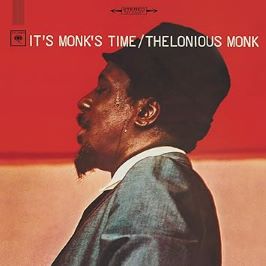
A brief article to address this blog site’s name and how it applies here and elsewhere.
Telling friends and acquaintances the name of this blog site when it was first launched produced a variety of responses. Several were aware of how it was derived, but a more common reaction was “Can you spell that?” A puzzled look, however, far outweighed any other response. Curiously, no one ever asked its definition or meaning, so it might be time for the word to have its moment in the spotlight.
Mostly known as a literary device, the word “epistrophe” actually sports several identities. On the literary front, Merriam-Webster Dictionary defines “epistrophe” as the “repetition of a word or expression at the end of successive phrases, clauses, sentences, or verses especially for rhetorical or poetic effect.” The common example given is Abraham Lincoln’s “of the people, by the people, for the people” from the Gettysburg Address.
The Greek word from which the term derives actually means, according to sources, to “turn back upon.” As this site’s homepage explains, this blog uses that concept to return to moments and people in the arts in order to reflect on, review, assess, report, or examine the subject at hand. While this site is less about repeating and more about revisiting, some examples of epistrophe as repetition might be found in the writing contained here.
But the word, with a different spelling, also has a musical connection. Jazz pianist Thelonious Monk co-wrote with drummer Kenny Clarke the composition “Epistrophy.” It is reportedly the first song Monk copyrighted. According to Leslie Gourse’s book Straight, No Chaser: The Life and Genius of Thelonious Monk, the song was first recorded in 1941 by Cootie Williams under the title “Fly Right.” For that track, “Monk wasn’t listed as the composer on the recording’s credit line,” Gourse reports. “The tune had several other titles before it became known as Monk’s classic tune ‘Epistrophy.’”
The other titles under which the song appeared are clarified by the “Bohemia After Dark” Project website, which identifies that “Clarke later rearranged ‘Epistrophy’ as a modest drum feature under the titles ‘Iambic Pentameter’… and ‘Volcano.’” For “Iambic Pentameter,” named for a term to describe the rhythm of alternating unstressed and stressed syllables in a ten-syllable line, only the B section of the song is retained, with the A section barely sketched out.
Monk’s renditions of “Epistrophy” are the best-known versions of the tune, what Gourse calls “a sculpture in sound,” and the repetition of each phrase in the A sections adheres well to the literary technique associated with the term. Referencing literary components in a musical composition reinforces the commonality between the arts, a too often overlooked connection which can and does foster creativity. That wasn’t lost on Monk, who also adds just enough atonal sway to his performances so that they resonate so uniquely when compared to other interpretations.
Below is Dark Hollow’s cover version of the song from the If Your Memory Serves You Well CD. Give a listen to how the intervals seem to dance within the melody and pay particular attention to the literary cadences with which Monk and Clarke imbued the piece.
Epistrophy







 Epistrophe
Leave a comment