
November 1, 2026
I Tell You It Is October
There’s something olden and golden and lost
In the strange ancestral light;
There’s something tender and loving and sad
In October’s copper might.
Jack Kerouac
Halloween, a non-holiday poised on the cusp of a new month, is the spiritual representative of October. The MLB would have you believe otherwise. So would hot-weather worshippers. But autumn, at least in New Jersey where its blazing tapestry is on full view at the moment, delivers the second temperate time of year in a world in which the middle has eroded. Autumn delivers on its promise even when others don’t.
This year, Halloween became a personal quest to rediscover autumn amidst the ongoing disputes over AI, political contenders and all the other imposed distractions from the larger questions of life. After all, as Jack Kerouac wrote, “Everybody goes home in October.”
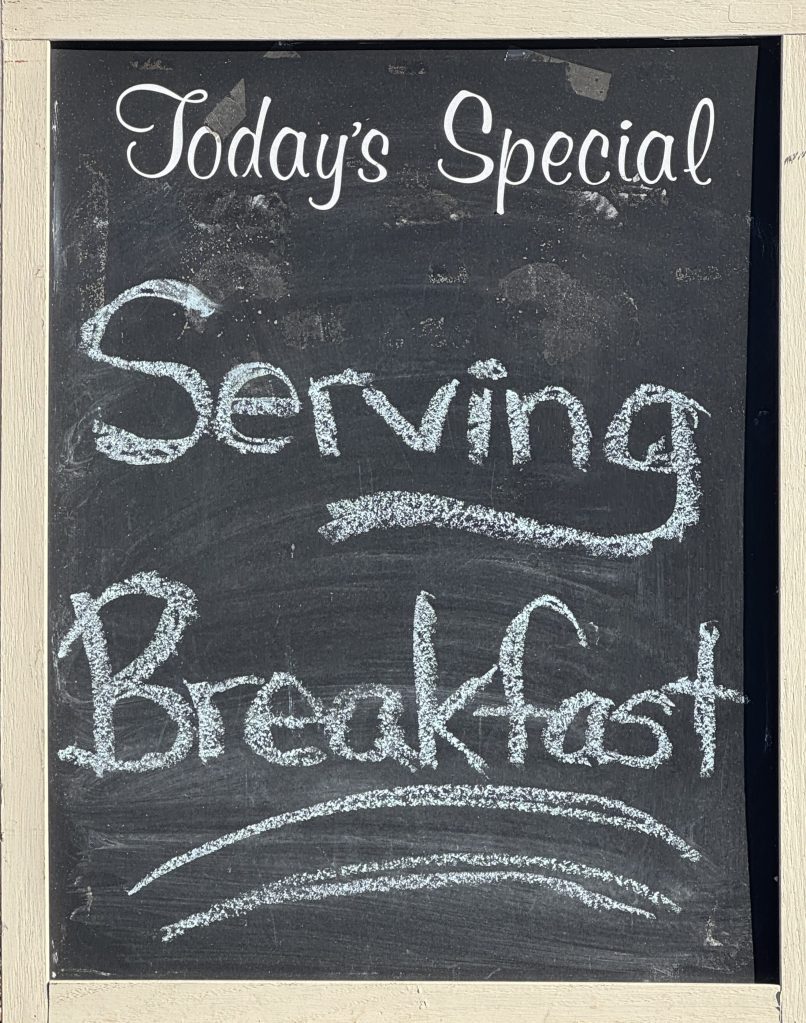
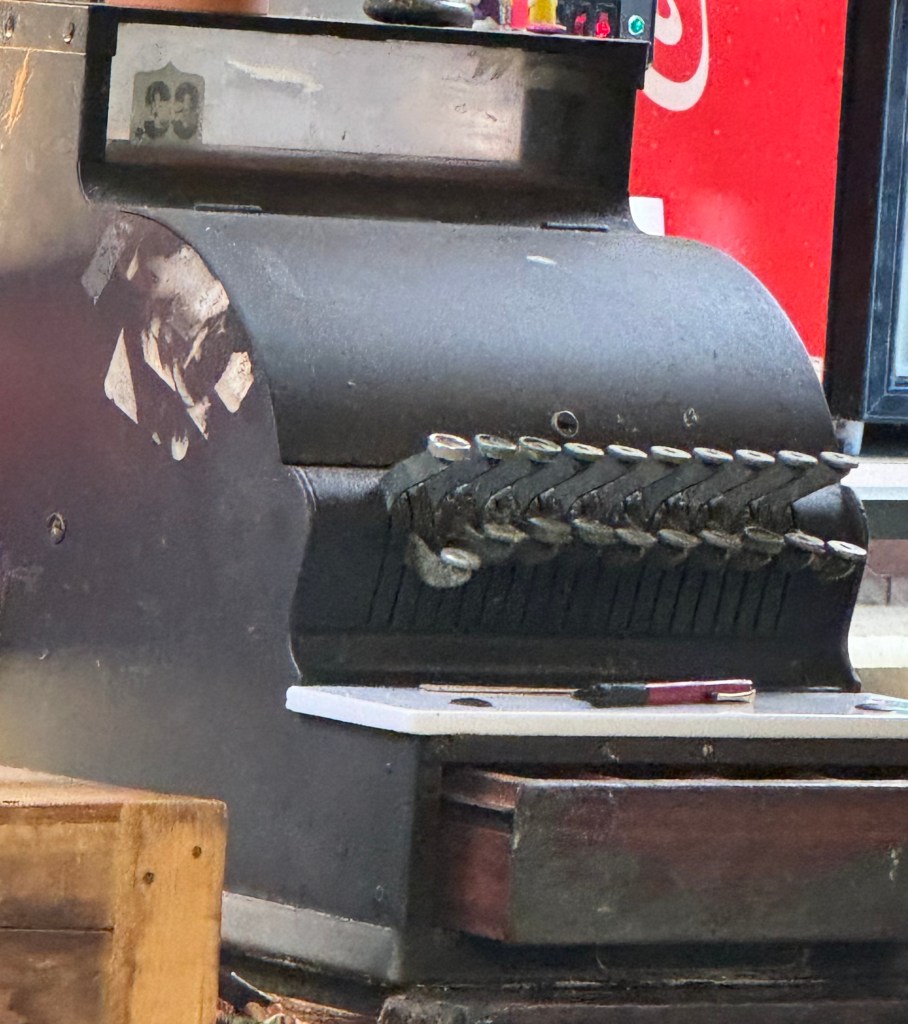
The season was on full view October 31 of this year at a local restaurant here, not only in its menu, which included pumpkin-ricotta pies, hot bacon & egg breakfasts and blueberry pancakes, but as an organic extension of the past, a farmstead that expanded its services into the 21st century with a restaurant and bakery. The past is displayed in a series of photographs, paintings and antiquities like dolls, trinkets and an ancient cash register representative of a century ago. The place is a respite from the digital world, including obligatory mood music, its meals and freshly baked pies filled with a down-home feel. We’re not talking the kitsch and bluster of 1950s-style retro fast food chains. This is an eatery that only allows an occasional peek at the contemporary world. And that’s refreshing.
Food was always a regular feature of Kerouac’s novels and he would have loved a place like this, with the locals gradually appearing throughout the morning amid a backdrop of pumpkins, mums and farmland stretching to the horizon. It’s a place he might have included, along with a list of his food choices, as a word portrait in On the Road, like all the other descriptions and depictions captured in his prose. Rural dining as counterpoint to urban automats.
In his essay “Visions of Meals: The ‘Foody’ Fiction of Jack Kerouac,” Tim Poland writes, As any follower of Kerouac’s fiction will know, his is anything but uptown, gourmet dining. With the exception of the occasional Chinese dinner, Kerouac’s is the simple but often hearty fare of the downtown cafeteria, the lunchcart, the roadside diner, the campsite and the working-class kitchen.” A look at the author’s Desolation Journal from 1956 offers a chronicle of various meals, from “big breakfast with 5¢ coffee” to “an enormous lunch of hamburg [sic], mash potatos [sic], gravy, salad, green beans, cake, jello, milk, coffee, bread & butter” to “ate big steak supper on the barge.”
Once transferred to his fiction, food became a metaphor for Kerouac. Poland proposes that it served “to expand awareness beyond personal time and space” and “to push perception deep into the individual self, activating memory and recognition of personal and primal history.” His remembrances of favorite foods from childhood and his diary accounts of then recent meals trigger memories and create others to serve as tools with which to paint and portray the intended life story he called the ‘Duluoz legend.’ It’s something to which we all can relate.
Sitting at breakfast in the aforementioned restaurant, it’s impossible not to think of Robert Frank’s black & white 1950s photographic collection of people, places and things, The Americans, and what Kerouac wrote about it – “What a poem this is.” And then there’s the correlation between the eatery and Kerouac’s writing. It’s there in the photographs of those who farmed the land circa the 1930s, in the antique dolls that owe their existence to another era’s craftspersons and in the memories held by those who recall the workers decades ago who operated the same cash register that now sometimes jams during use. Just like Kerouac’s fiction and Frank’s photos, this place is a time capsule depicting America as it once was from the viewpoint of those who came to understand the lunchcart, the roadside diner and the working-class kitchen as a piece of time no longer permitted a place of importance, but valuable nonetheless.
Notes
Frank, Robert. The Americans. New York: Scalo Publishing, 1995.
Kerouac, Jack and Charles Shuttleworth (ed.). Desolation Peak: Collected Writings. Los Angeles: Rare Bird Books/Sal Paradise Press, 2022.
Poland, Tim. “Visions of Meals: The ‘Foody’ Fiction of Jack Kerouac.” Kerouac Connection No. 28. Summer 1998, 4-11.
Related Article







Leave a Reply